Comprehensive, NYS DEC-compliant septic inspections to protect your property. Detailed photo-documented reports delivered in 24–48 hours.
NY Environmental Septic Inspections delivers thorough, professional septic inspections using top-of-the-line equipment and proven testing methods. Every inspection gives you a clear, accurate picture of your septic system's condition — backed by a detailed, photo-documented report.
Whether you're buying a home, selling a property, or simply due for a routine check, our certified inspectors deliver thorough evaluations you can trust. We proudly serve Putnam County, Westchester County, Dutchess County, Orange County, Rockland County, and surrounding areas throughout the Hudson Valley, NY.
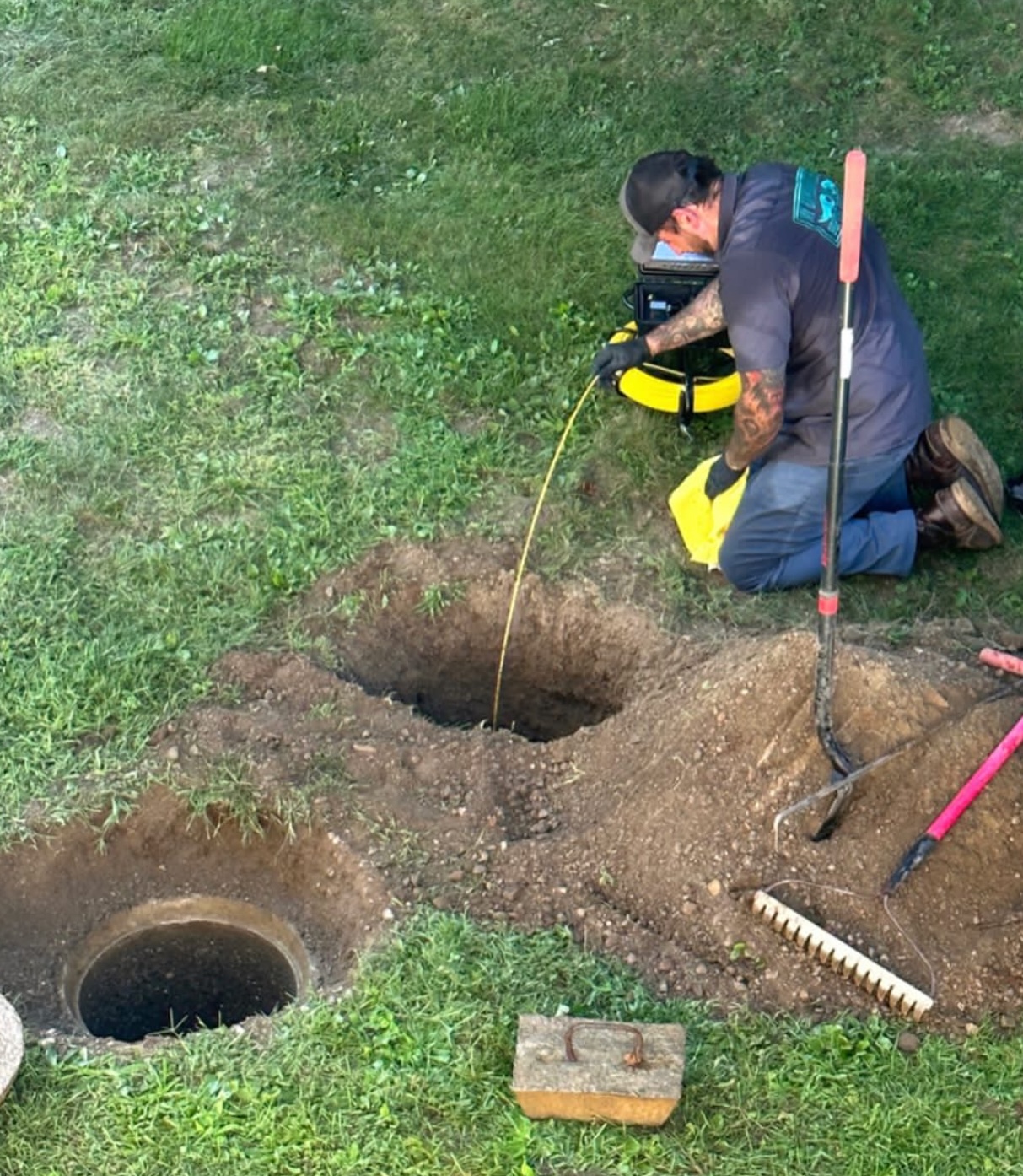
Every septic inspection we perform follows a rigorous, multi-point process designed to give you the most accurate picture of your septic system's health. Here's exactly what happens from start to finish:
Using professional-grade electronic locating equipment, we pinpoint the exact position of your buried septic tank and access points — without tearing up your yard. If previous records exist, we cross-reference them to confirm the layout. This step is critical because many homeowners don't know exactly where their tank is, and incorrect digging can damage system components.
We open the tank and conduct a thorough interior assessment. This includes checking for cracks, corrosion, and structural compromise in the walls and lid. We measure liquid levels, assess sludge and scum layer depth, and evaluate baffle condition — baffles direct flow inside the tank and are a common failure point. If the baffles are damaged or missing, it can lead to premature drain field failure.
Every accessible component of the system is inspected — inlet and outlet pipes, the distribution box (D-box), and all visible connections. We check for blockages, cracks, root intrusion, and improper grading. The distribution box is especially important because it controls how effluent flows into the drain field. A compromised D-box can cause uneven saturation and localized failure.
The drain field (also called a leach field) is where treated water is absorbed back into the soil. We probe the field to check for saturation, surfacing effluent, and signs of failure such as soggy spots or foul odors. We also perform dye testing — introducing a non-toxic dye into the system to trace flow patterns and confirm the field is absorbing properly. This is one of the most important steps in any septic inspection.
Within 24–48 hours, you receive a comprehensive written report that includes photographs of every stage of the inspection, detailed measurements, component condition ratings, and any recommended repairs or follow-up actions. Our reports are designed to be clear and easy to understand — whether you're a homeowner, buyer, or real estate professional. Reports satisfy lender and transfer-of-title requirements across New York State.
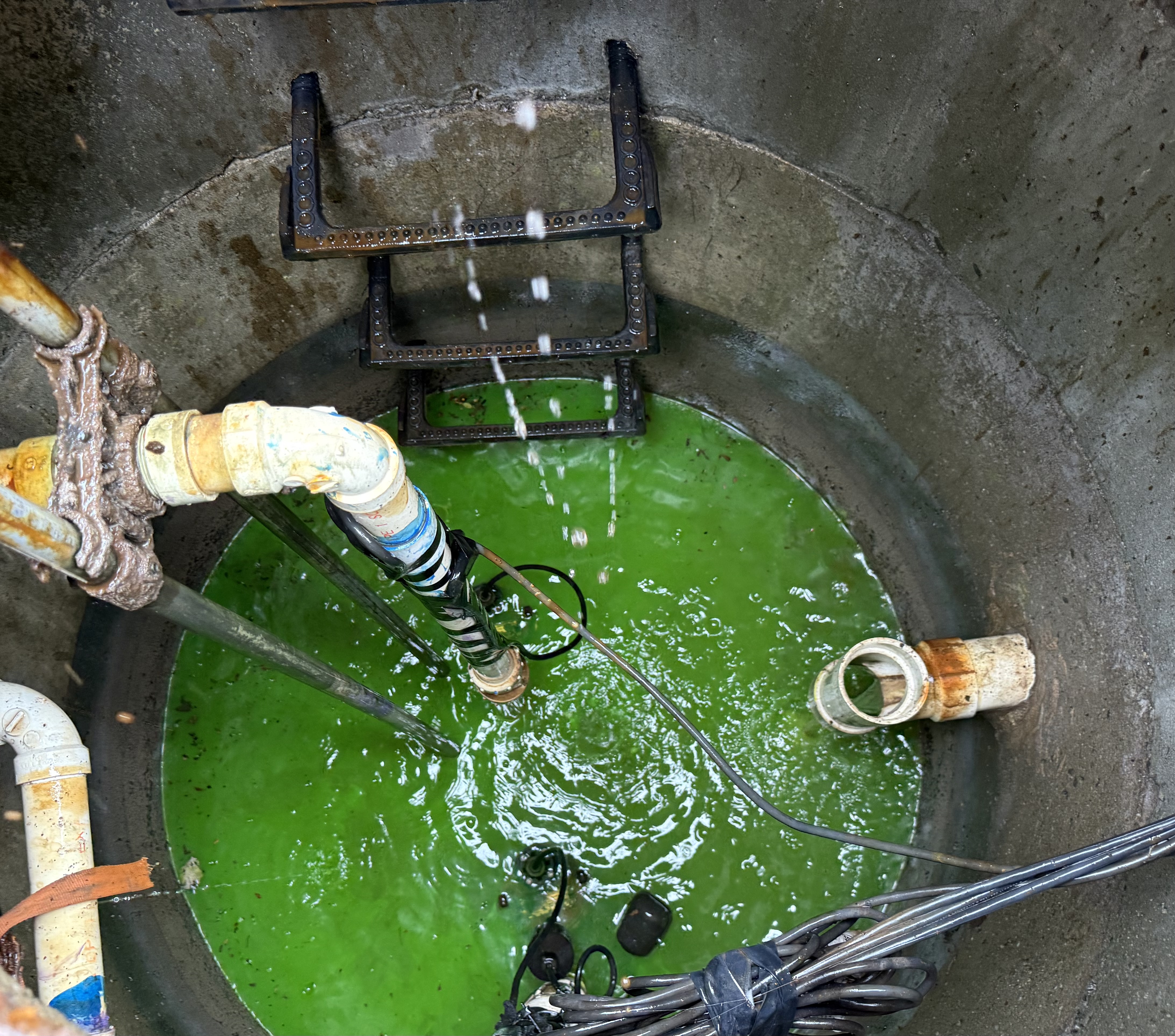
Our comprehensive septic inspection covers every critical component of your system:
Wondering what happens when we arrive at your property? Here's what to expect so you're fully prepared:
Our inspectors will arrive at the scheduled time with all necessary equipment. The homeowner or a representative should be present (or ensure access to the property). We'll need water running in the home during portions of the inspection to test flow. The on-site work typically takes 2 to 4 hours depending on system size, accessibility, and whether the tank needs to be located first.
Before we arrive, it helps to have any existing septic system documentation available — such as previous inspection reports, as-built drawings, or pumping records. If you know the approximate tank location, that can save time as well.
After the inspection, there's nothing further you need to do. We handle all documentation and send your complete report within 24 to 48 hours via email, ready to share with your lender, attorney, or real estate agent if needed.
A professional septic inspection is essential in many situations. Here are the most common reasons homeowners schedule an inspection:
We provide professional septic inspection services across the Hudson Valley. Learn more about our services in your area:
The cost depends on the size and accessibility of your system and whether the tank needs to be located first. We provide a free, no-obligation quote up front — no hidden fees, so you know exactly what to expect before we arrive.
The on-site work typically takes 2 to 4 hours depending on system size and accessibility. You receive your complete photo-documented report within 24 to 48 hours via email.
We locate and uncover the tank, assess its structural condition, measure scum and sludge levels, check inlet and outlet baffles, inspect the distribution box, evaluate the drain field, and perform dye testing. Every finding is photographed and included in your written report.
Most lenders require a septic inspection for homes with private septic systems, and a current report satisfies transfer-of-title requirements across New York State. A pre-purchase inspection protects you from inheriting an expensive septic failure.
No — we are an inspection-only company. Because we don't sell repairs, our assessment of your system stays completely unbiased.