Local septic inspectors based right here in Putnam County. DEC-compliant evaluations for lakefront, watershed, and rural properties — trusted by homeowners, buyers, and real estate professionals throughout the county.
Putnam County is home base for NY Environmental Septic Inspections. From the lakefront communities of Mahopac and Lake Carmel to the historic Hudson villages of Cold Spring and Garrison, and rural properties throughout Patterson, Kent, and Putnam Valley — we know these properties because we live and work here. Whether you're closing on a home, listing one for sale, or staying ahead of your routine maintenance, you'll get a thorough, honest septic inspection backed by a clear written report.
Septic is all we do — that's the entire focus of our business. Every Putnam County inspection follows New York State DEC standards and includes a comprehensive, photo-documented report delivered within 24 hours. We capture before and after photos and videos at every stage of the inspection, so you have complete visibility into the condition of your system. Curious what's actually included? Read the full breakdown of our septic inspection process and what gets evaluated.
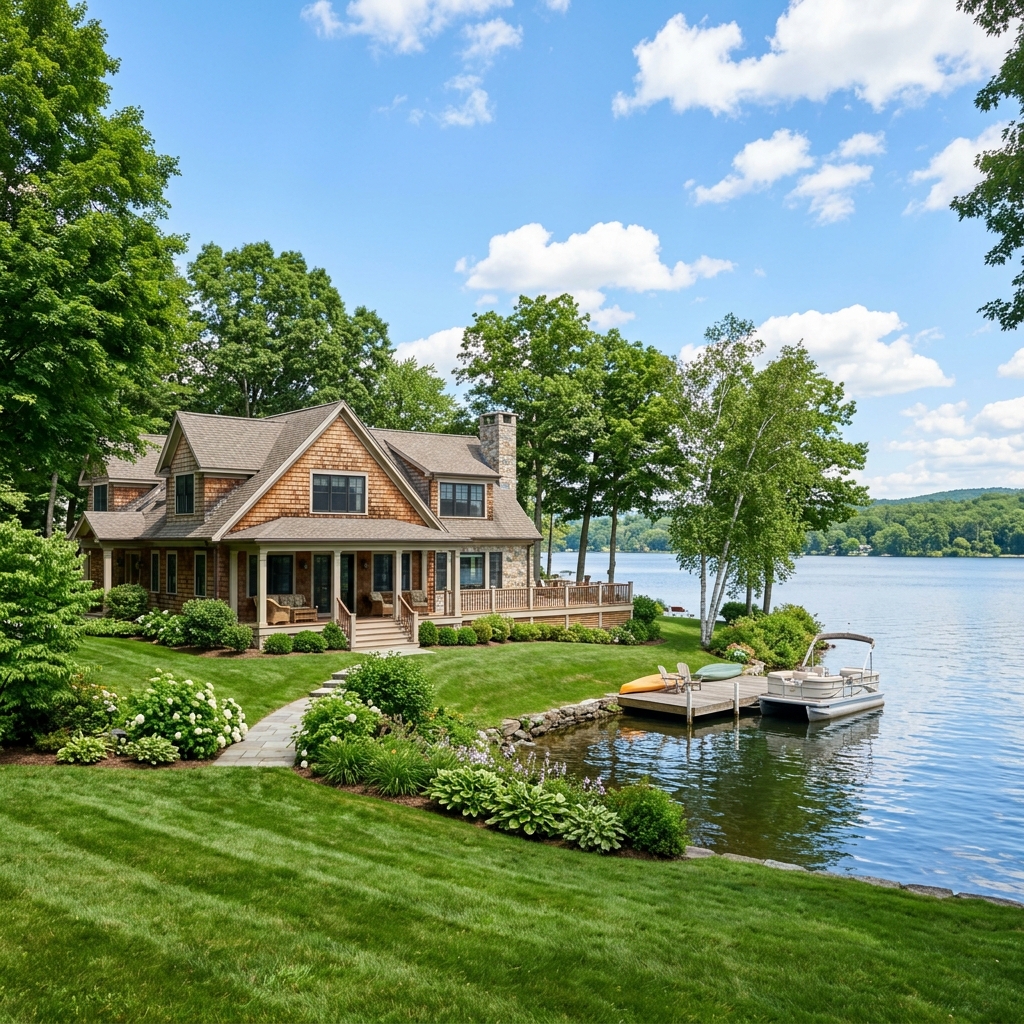
Putnam County's terrain is unlike anywhere else in the lower Hudson Valley. Glacial soils, exposed bedrock, steep slopes, and a high concentration of lakes and reservoirs mean that even two neighboring properties can have completely different septic conditions. Add in the fact that much of Putnam — including all of Carmel, Kent, Patterson, Putnam Valley, and parts of Southeast — sits within the New York City watershed, and you have a setting where careful, code-aware septic inspections genuinely matter.
Lakefront homes around Lake Mahopac, Lake Carmel, and Lake Peekskill often deal with high seasonal water tables and limited setbacks. Older properties throughout Cold Spring, Brewster, and Garrison were built when system standards were different, and many are still on their original tanks. Our inspectors have worked on hundreds of Putnam properties and know what to look for: shallow bedrock that limits drain field absorption, root intrusion from mature oaks and maples, undersized tanks on homes that have been expanded, and watershed-area systems that need extra documentation for closing.
Every inspection is comprehensive — no shortcuts, no guesswork. Here's what we evaluate on your property:
Putnam's lake communities and watershed neighborhoods move quickly — and almost every home outside the village centers runs on a private septic system. A pre-purchase inspection protects your investment, satisfies lender requirements, and surfaces issues before they become a closing surprise.
Demonstrate your system's condition to buyers and meet New York State transfer-of-title requirements. In watershed-area sales, having a current photo-documented inspection can move closings forward faster.
NYS recommends septic inspections every 3 years. In watershed and lakefront areas, regular inspections protect both your wallet and the water everyone shares — catching cracked baffles, root intrusion, or early drain field saturation before they become expensive failures.
Slow drains, sewage odors near the tank or drain field, unusually green grass over the leach field, or gurgling pipes after heavy rain? These are signs your system needs professional attention. An inspection identifies the root cause so you can act before it gets worse.
We provide septic inspection services throughout Putnam County, including:
Don't see your hamlet listed? We almost certainly serve your area. Call us to confirm.
Just over the county line? We cover the surrounding Hudson Valley too.
Tell us about your Putnam County property and we'll send back a prompt, no-obligation quote.
Ready to get started? Fill out the form and we'll get back to you quickly with a no-obligation estimate. Or call us directly — we're available 7 days a week and based right here in Putnam County, so we can usually get on your property faster than the inspectors traveling in from out of town.
Septic inspection costs in Putnam County depend on the size and accessibility of your system, whether the tank needs to be located first, and any added complexity from lakefront or watershed-area properties. We provide a free, no-obligation quote up front so you know exactly what to expect — call us with your address and we'll get you a number quickly.
Much of Putnam — including portions of Carmel, Kent, Patterson, Putnam Valley, and Southeast — sits within the New York City watershed, which can carry additional documentation expectations on transfers and repairs. Our inspections are DEC-compliant and produce the kind of detailed photo-documented report that watershed-area lenders and attorneys are looking for.
A typical Putnam County septic inspection takes 2 to 4 hours on-site, depending on the system's size and accessibility. You'll receive your complete photo-documented report — including before and after pictures and videos from every stage — within 24 hours.
We serve every town and hamlet in Putnam County — Carmel, Mahopac, Brewster, Cold Spring, Patterson, Kent, Putnam Valley, Southeast, Garrison, Lake Carmel, Lake Peekskill, Putnam Lake, Nelsonville, and the surrounding areas. We also work throughout Westchester, Dutchess, Orange, and Rockland Counties.
Our report will clearly document any issues with photographs and specific recommendations. We explain what's urgent versus what can reasonably wait, so you can make informed decisions. We do not perform septic repairs ourselves — that keeps our assessment unbiased and objective.